
Why iHVDC
The intelligent architecture for the future of data center power
AI is reshaping data center demands, from power density to deployment speed. Our iHVDC architecture provides a faster, error-free, more scalable and future-proof path forward.
GRID INDEPENDENCE
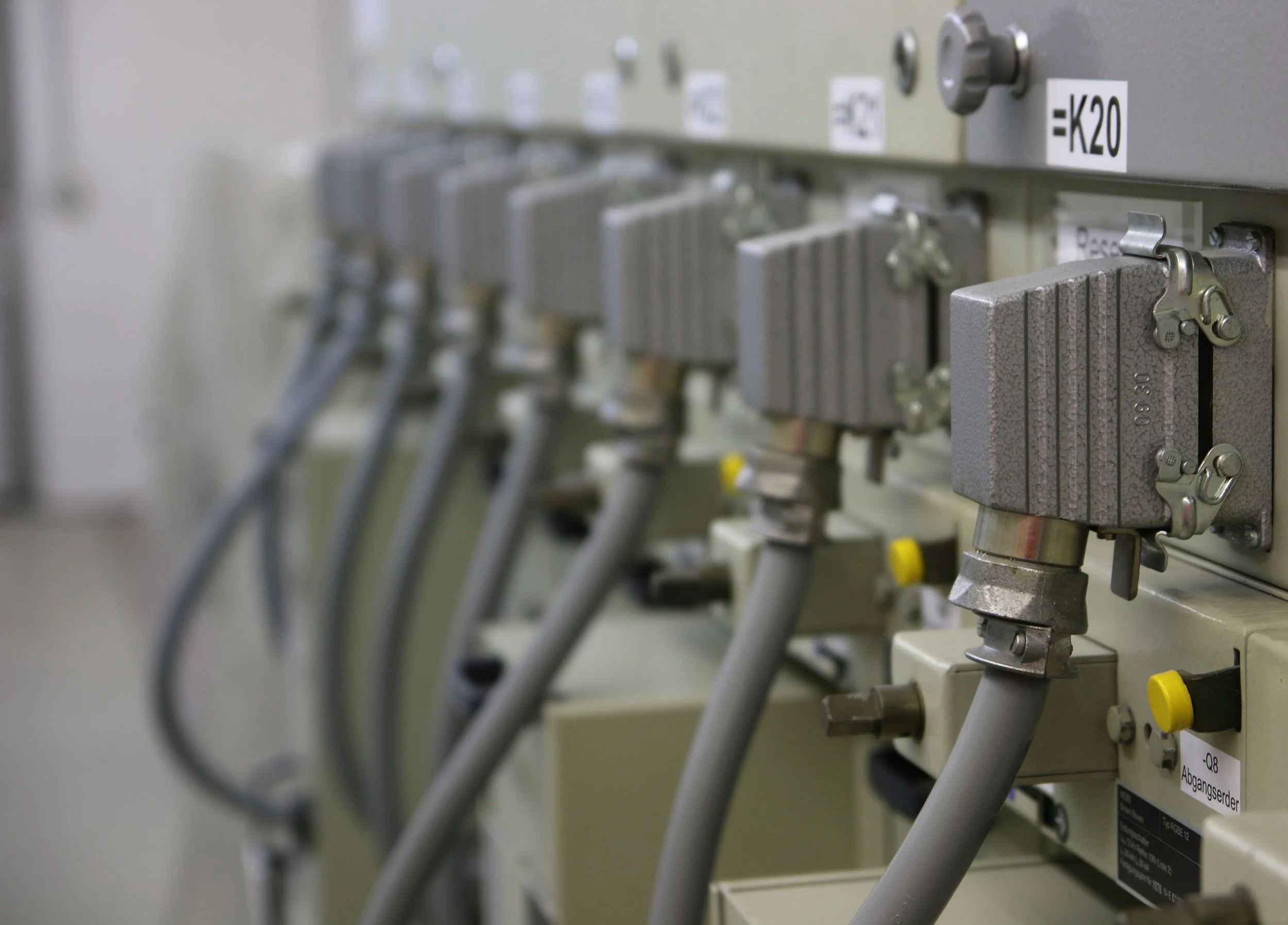
Go Live Without the Wait
Grid bottlenecks and equipment delays are stalling new builds. With DC microgrids and on-site generation, you can launch operations before utility interconnection — accelerating time to market and enhancing resilience.
Faster Deployment
POWER DENSITY READY
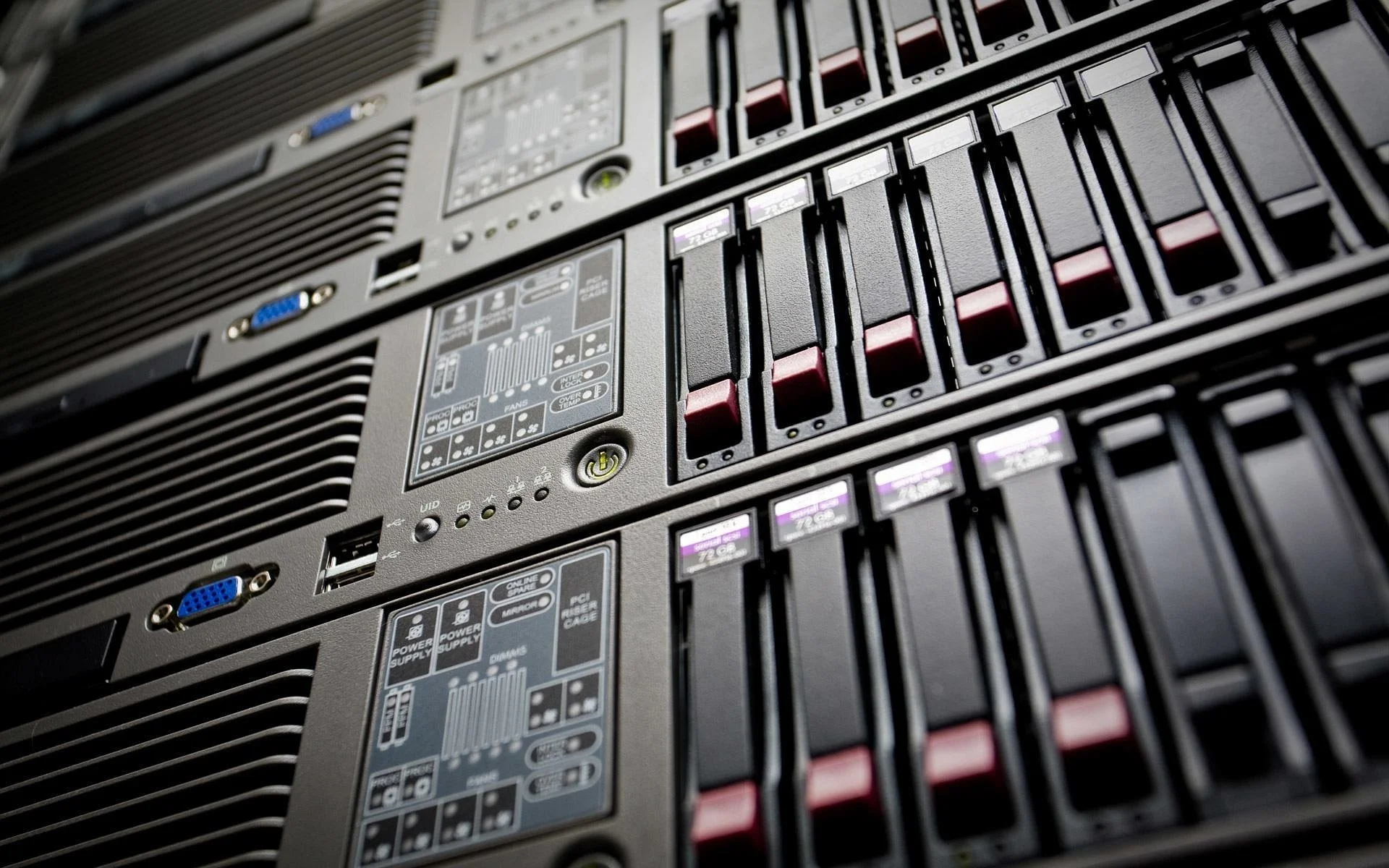
Built for Megawatt-Scale Loads
iHVDC supervised distribution supports ultra-dense compute without the bulk or loss of AC conversion. Higher distribution voltages reduce copper requirements, cut I²R losses, and enable more efficient cooling strategies.
Lower CapEx
EFFICIENT BY DESIGN
Less Energy and Less Water
By reducing unnecessary conversions and heat, DC systems lower cooling demands. In water-scarce regions, this means minimal reliance on evaporative cooling — saving both energy and resources.
Lower OpEx
What’s Changing?
Rethinking Modern Data Centers from the Ground Up
The push to pack more GPU processors into smaller spaces is driving an increase in power demand at the rack level, expected to be 6 to 10 times higher than what we see today in the next 2 to 5 years.
Traditional methods, relying on personal experience and trial-and-error with hardware, can no longer keep pace with these growing power needs. A faster development cycle is critical to support these rapid technological advancements, and power system timelines must be shortened.
Ennovria understands these challenges and, leveraging the expertise of both seasoned power design engineers and software developers, focuses on creating power systems for data centers and high-performance computing platforms.
Our approach centers on developing software and simulation models to rapidly design and iterate virtual solutions. By leveraging Power Hardware-in-the-Loop (PHIL) techniques, we create a Digital Twin that allows us to test and validate these designs using real power electronic devices. This process significantly reduces the need for time-consuming hardware prototyping and testing.
As a result, by the time we move to physical system construction, we already have a clear understanding of its expected performance.
This enables rapid adaptation to evolving requirements, allowing for the swift deployment of new solutions without starting from scratch each time.
As reliability standards for computational loads continue to evolve, Ennovria's validated digital twin represents the complete AI data-center power system, from grid interconnection through high-voltage DC distribution and GPU power conversion. The platform enables stakeholders to analyze system behavior before construction and throughout operations, supporting:
Computational-load modeling
High-voltage DC system modeling
GPU power-conversion modeling
Dynamic-performance studies
Reliability and compliance support
Scenario simulation and forecasting
Alternate components can be vetted before installation
By providing a physics-based, validated representation of the entire power chain, Ennovria helps operators, developers, utilities, and planners improve interconnection decisions, evaluate operational scenarios, strengthen system reliability, and prepare for emerging computational-load standards.
DESIGN FOR PERFORMANCE.
PREPARE FOR RELIABILITY.

Our iHVDC datacenter power architecture is designed for maximum uptime through a highly redundant and resilient system, featuring modular components, source independence, rapid transient response, advanced controls, robust protections, and optimized performance
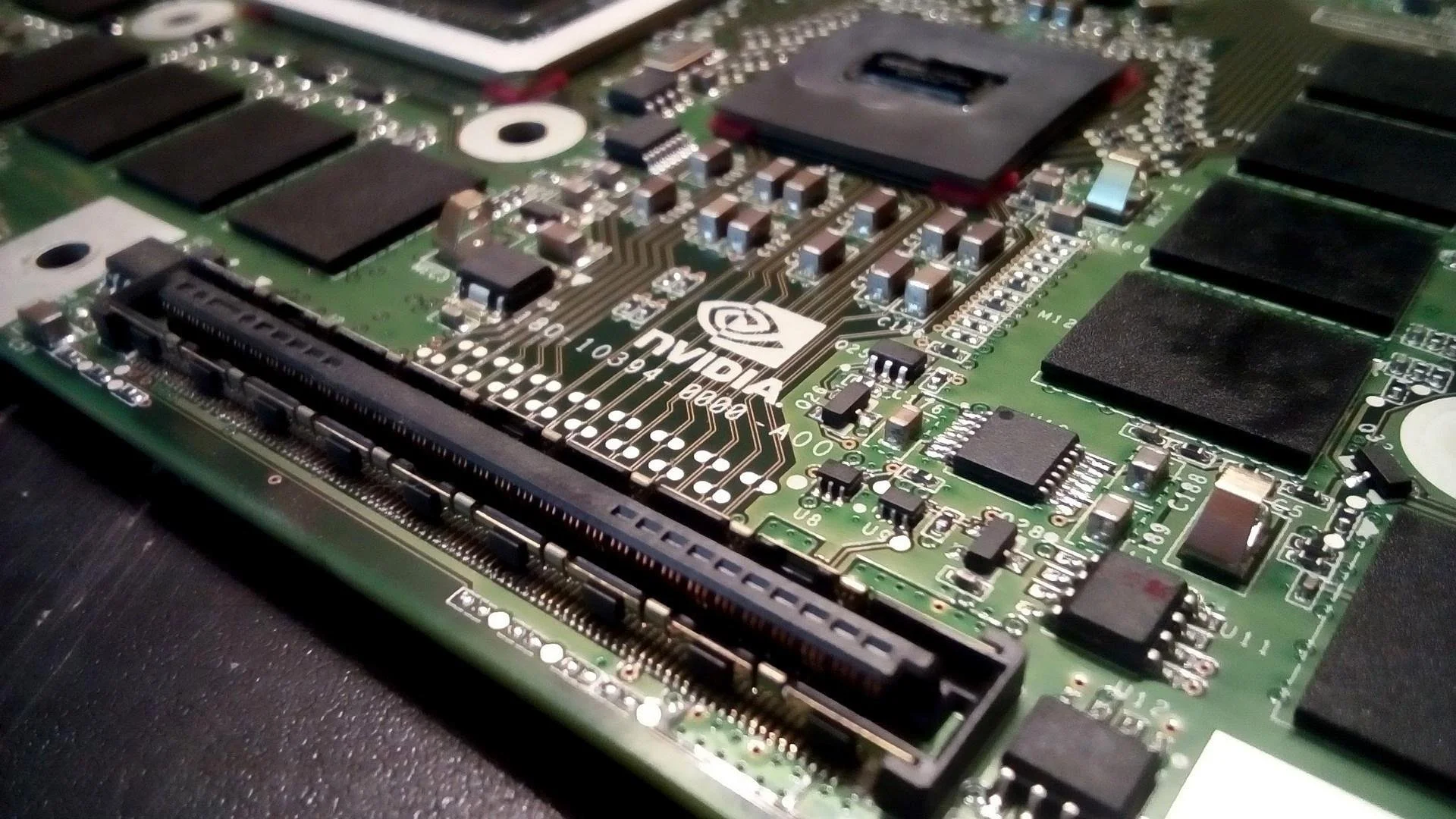
Native DC for Native Loads
GPUs and batteries, plus some energy sources and chillers, operate in DC — so why force them through AC conversion chains? With HVDC, you simplify power flow, cut losses, and unlock end-to-end efficiency.
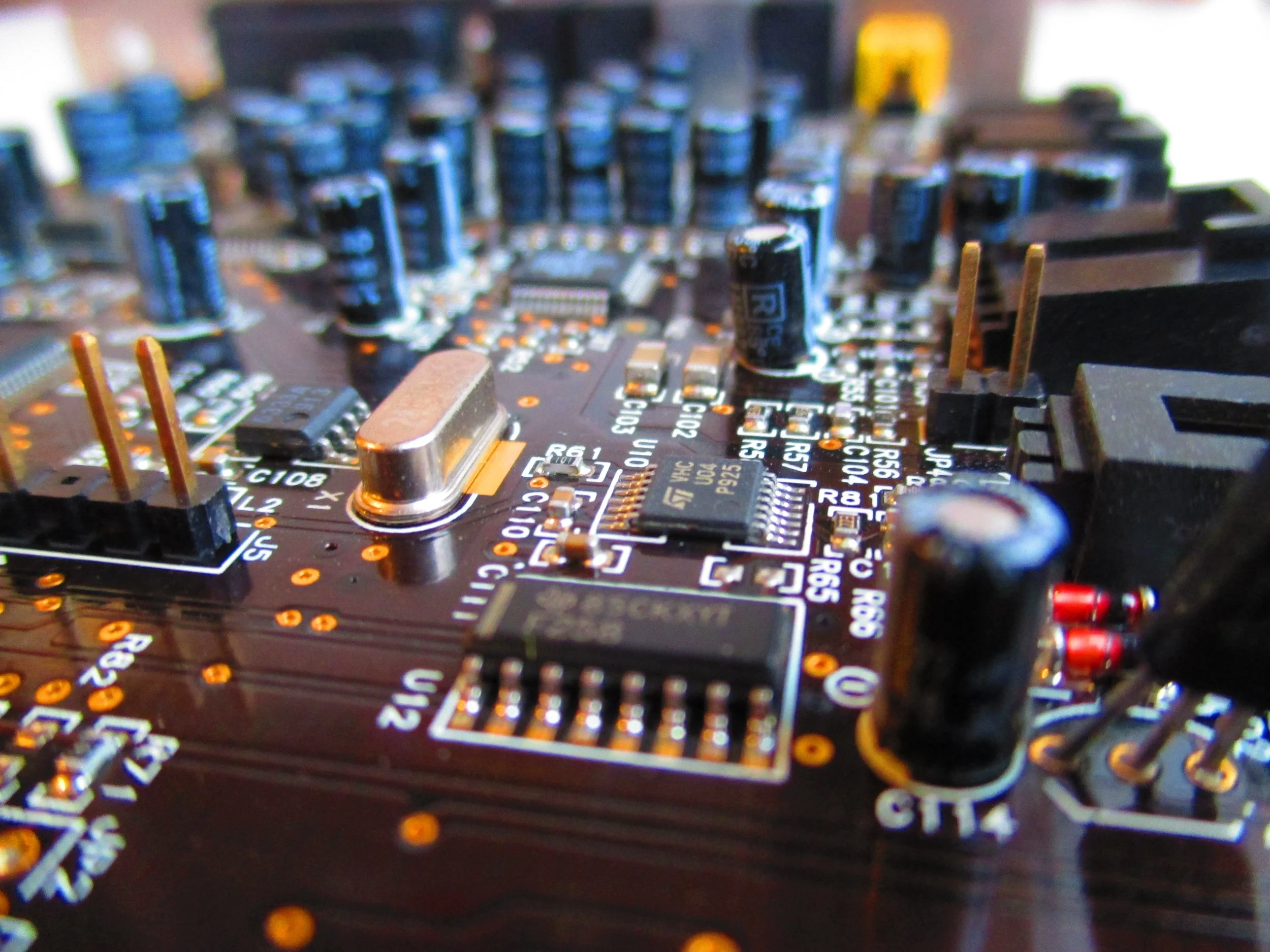
Safer, Smarter Protection
New DC designs use solid-state breakers and modular protection systems to safely manage high-voltage loads. The future is fast, fault-tolerant, fully engineered for reliability, and controllable with software.
Redefine Your Infrastructure
Whether you're building your next hyperscale facility or upgrading for AI-readiness, DC architecture is your foundation for performance, resilience, and sustainability